
Treat the first minutes like training for a real desk job. Read what the game gives you about valid IDs, apartment numbers, and any phone or intercom options you can use to double check a tenant story. Move through each visitor in order, take notes if it helps, and do not rush the early approvals while you are still learning which details matter most. Small inconsistencies in spelling, dates, or apartment assignment are often more useful than a single “bad vibe” guess.
What's That's Not My Neighbor game?
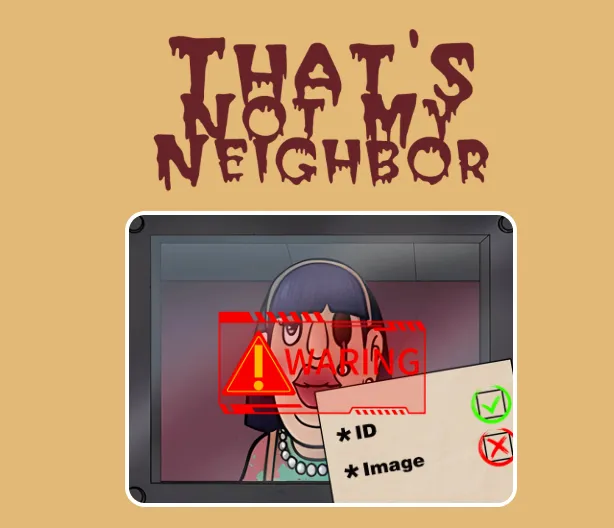
That's Not My Neighbor is a horror puzzle game set in 1955, built in HTML5 by solo developer Nacho Sama and widely shared on itch.io. The premise is simple on paper and stressful in practice: strange beings can imitate real people with disturbing accuracy. You are not running through hallways with a weapon. You sit at a desk, review visitors, and decide who gets past the door.
You take a job as a building security guard because you need the money. In this version of reality, doppelgangers exist to copy appearance, voice, habits, and even small details from memory. Your shift becomes a slow burn detective game where one wrong approval can end badly. The loop is easy to explain and hard to execute: verify documents, compare stories, and trust your instincts when something feels off.
The mood tightens as more suspicious visitors show up. Lighting, sound, and pacing push you toward snap judgments even when the correct answer needs patience. Staying calm matters because the building's safety depends on how carefully you read each case before you let anyone inside.
How to Play That's Not My Neighbor
1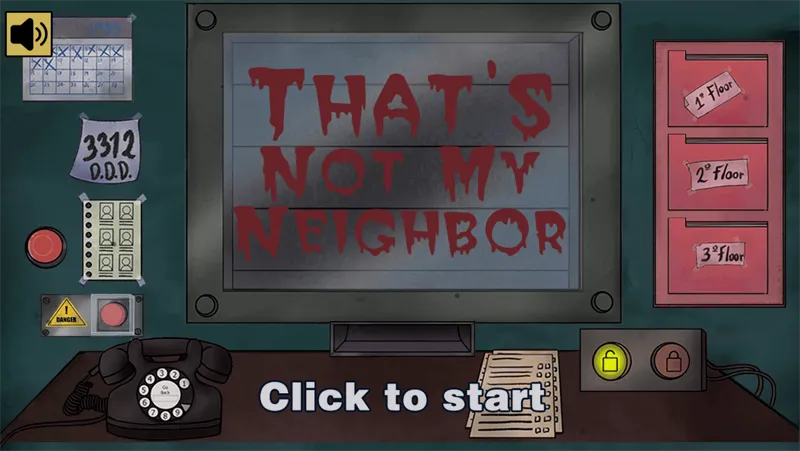
1. Learn your tools and the lobby routine
2
2. Compare documents and watch for mimic mistakes
Doppelgangers try to look perfect, but pressure reveals cracks. Compare photos to faces, cross check names against the resident list, and listen for awkward answers when you challenge someone. If the game lets you call another apartment or verify paperwork, use those tools before you commit. When two stories conflict, slow down and re read everything. A confident lie is still a lie if the paperwork does not line up.
3
3. Make the call and live with the tension
Every approval or denial has weight. If you reject a real neighbor, you create a problem. If you admit an impostor, the horror escalates. As the night goes on, expect stranger behavior, darker tone, and more aggressive attempts to rush you. When you are unsure, default to procedure: verify, verify again, then decide. The goal is not speedrunning perfection. It is keeping the building secure while your nerves hold out.
Why the doorman setup works so well
Most horror games chase you through corridors. That's Not My Neighbor keeps you in one place and makes the fear intellectual. You are vulnerable because information is incomplete, not because you forgot to craft ammo. The pixel art and restrained UI also help the experience feel like a weird office shift instead of a loud action trailer.
The 1955 setting adds a layer of formality. People dress neatly, speak politely, and expect procedure. That contrast makes the uncanny visitors feel even stranger when the mask slips.
What doppelgangers are in this story
In this game world, doppelgangers are malicious mimics. They want entry, and they study their targets closely. The horror comes from how plausible they can be, which forces you to rely on process instead of gut instinct alone.
That design keeps replay value high because you are always hunting for the one detail that does not belong, even when the performance looks convincing at first glance.
Who should play it
If you enjoy deduction, paperwork puzzles, and slow dread instead of constant combat, this is a strong match. It is still horror, so expect unsettling imagery and pressure.
Younger players or anyone sensitive to creepy faces and tense sound design should play with low volume, breaks between sessions, and a parent nearby if needed.
FAQs about That's Not My Neighbor
You can play That's Not My Neighbor online on https://playgrannyunblocked.com/horror-games/thats-not-my-neighbor/.
Yes. You can play the browser build on this page after you click Play on the launcher. The embedded frame loads the HTML5 version hosted for web play.
The game was created by Nacho Sama, a solo developer. It originally gained attention through itch.io releases and community clips, then spread to more players through HTML5 ports.
You work the building door and try to stop doppelgangers from entering while allowing legitimate residents through. Success means careful verification. Failure means letting the wrong person inside.
Start with the basics: ID format, apartment number, name spelling, and any mismatch between documents and what the visitor says. If the game offers a phone call or secondary confirmation, use it when something feels inconsistent.
URLs usually avoid punctuation for stability and sharing. The page title and on screen name still use the normal spelling That's Not My Neighbor, and the game itself is the same doorman horror experience.
It is a horror title with tense atmosphere and disturbing themes. It is better for teens and adults, or younger players only with guidance and comfortable limits on play time and volume.
HTML5 builds usually run in mobile browsers, but fine document reading is often easier on a larger screen. If you play on a phone, use full screen mode and take your time on each visitor.